

Algorithms Beyond the Horizon
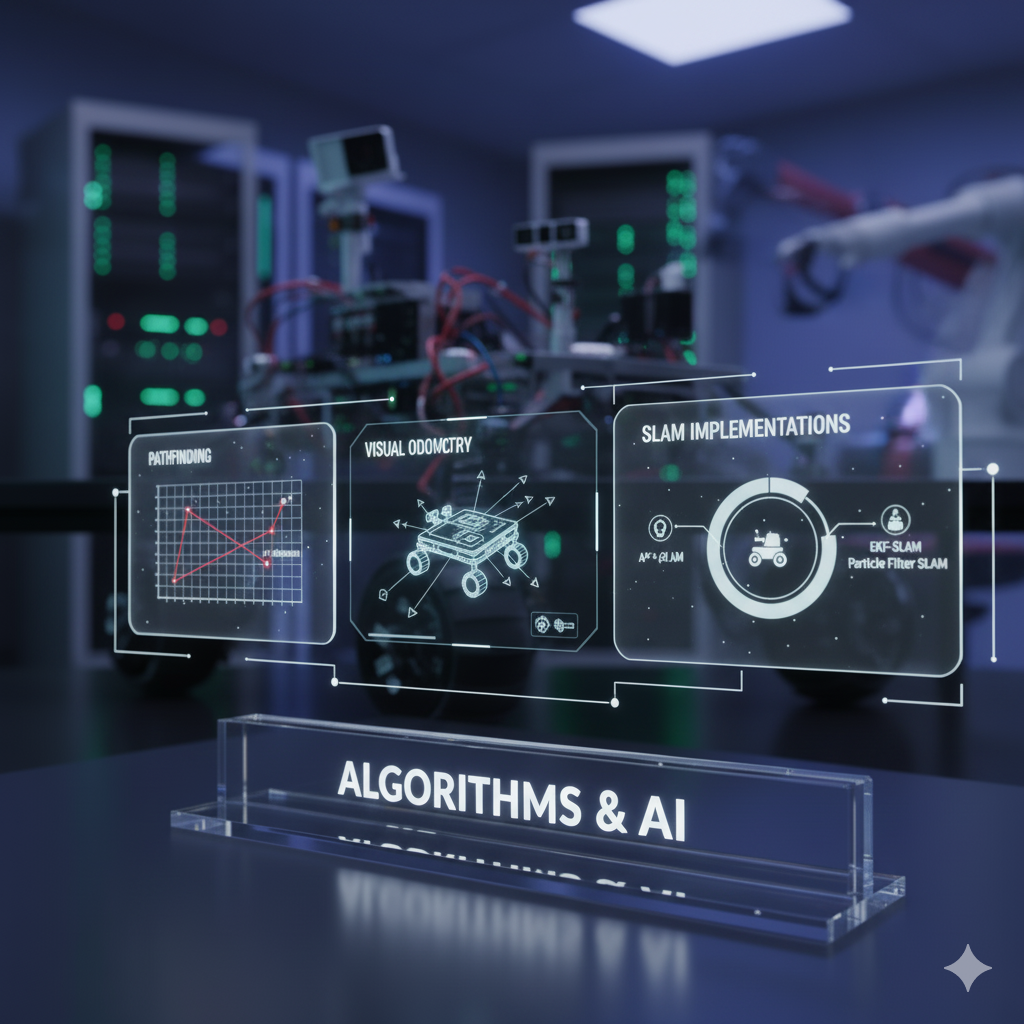
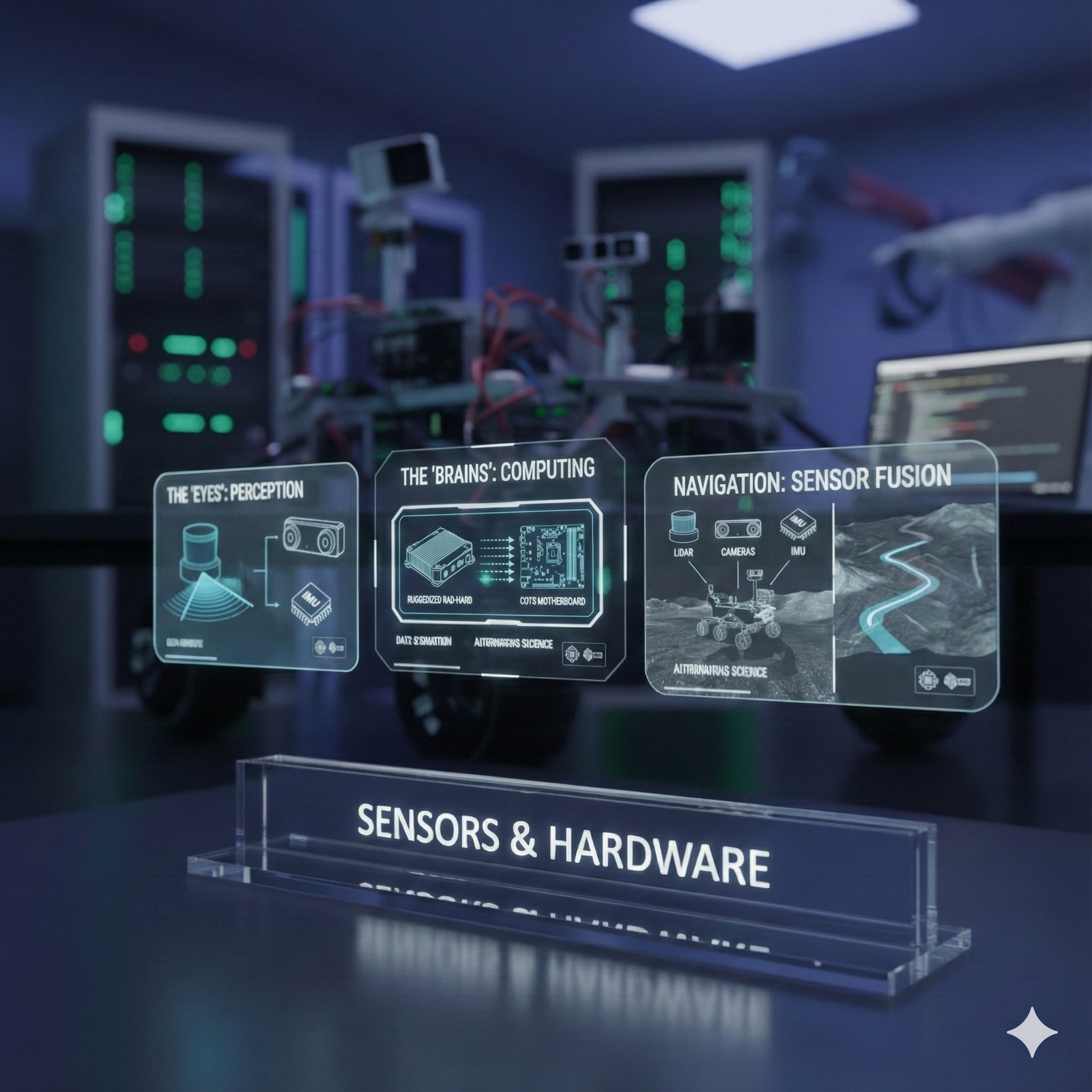
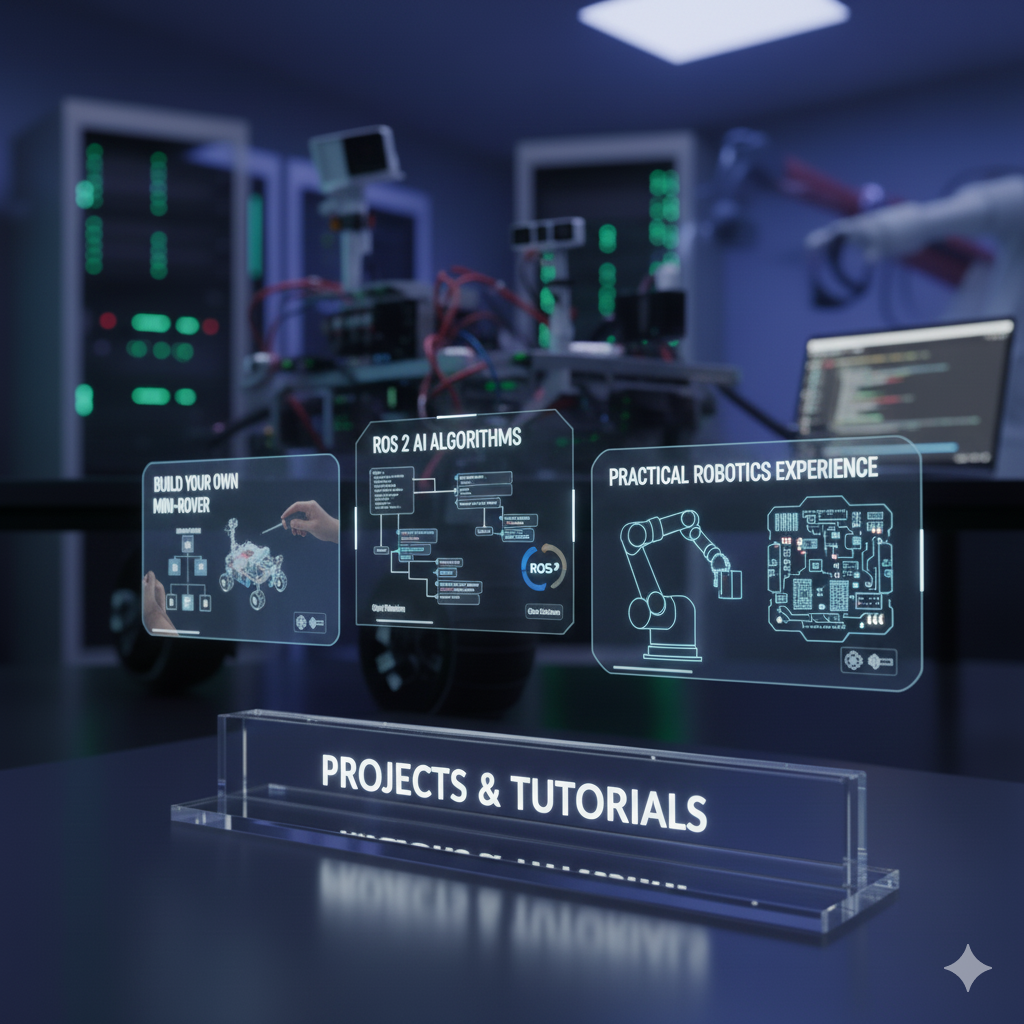
Deep dives into GNC algorithms, sensor fusion, and autonomous systems for orbital and deep-space missions.
Algorithms Beyond the Horizon
Deep dives into GNC algorithms, sensor fusion, and autonomous systems for orbital and deep-space missions.
Latest from the Lab
- What Self-Driving Cars Can (and Can’t) Teach Space Rovers
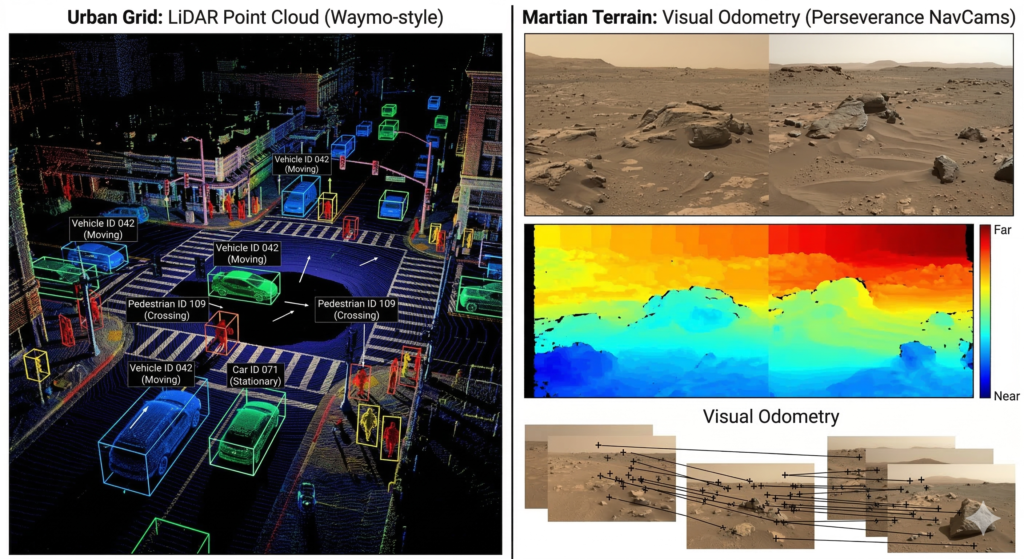 The convergence of terrestrial autonomous vehicles and planetary rovers reveals profound algorithmic and architectural intersections. While self-driving cars process immense data using high-performance processors in structured environments, space rovers navigate unstructured, high-radiation terrains constrained by severe power limits and communication latency, historically relying on legacy rad-hardened hardware. Today, this paradigm is shifting. The aerospace sector is actively integrating automotive Deep Reinforcement Learning, hybrid computing, and photorealistic simulations to achieve robust autonomous navigation. Conversely, the automotive industry leverages space-proven fault-tolerance and remote teleoperation strategies to master complex urban edge cases, driving a mutual evolution in robotics.
 - VIPER: The New Challenge of AI Navigation in Permanent Moon Shadows
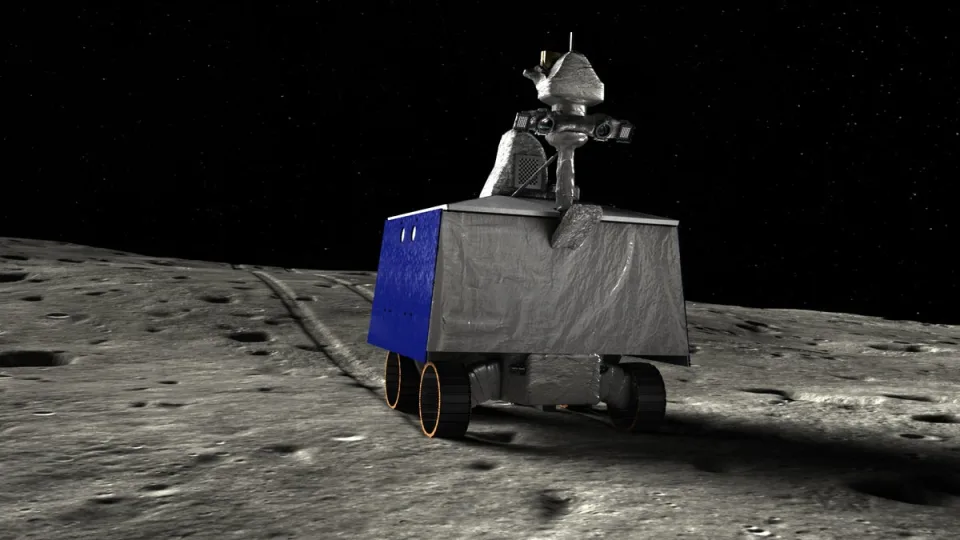 This article provides a comprehensive engineering review of the VIPER rover AI navigation system, designed for the extreme conditions of lunar Permanently Shadowed Regions (PSRs). Resurrected for a 2027 Blue Origin launch, VIPER abandons traditional passive solar navigation. Instead, it employs active LED illumination and robust visual odometry to counteract dynamic shadowing. To ensure survival in cryogenic darkness, the architecture leverages computationally efficient grid-based algorithms like D* Lite for real-time hazard avoidance and Extended Kalman Filters (EKF) for precise kinematic slip estimation on porous regolith. Ultimately, VIPER’s hybrid “Earth-in-the-Loop” autonomy establishes the technical baseline for future Artemis surface operations.
 - Beyond Reconstruction: Zero-Shot Anomaly Detection of Telemetry with TimeRCD
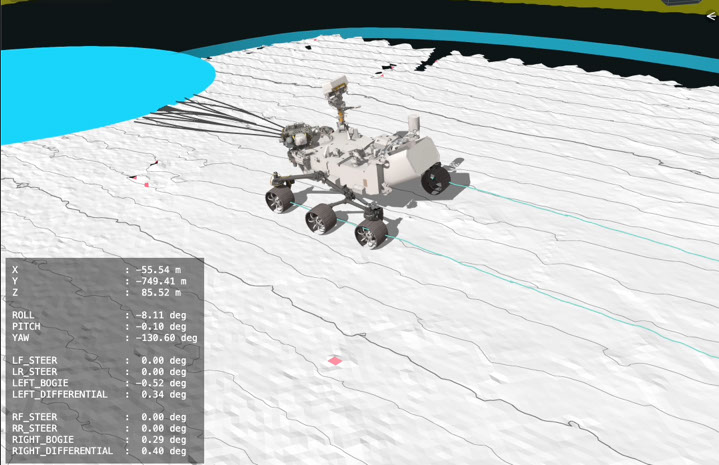 Space telemetry analysis is shifting from reconstruction-based models like TadGAN to Zero-Shot Anomaly Detection. Traditional generative models struggle in deep space, suffering from overfitting and failing to identify unprecedented operational faults. The TimeRCD framework introduces a paradigm shift via the Relative Context Discrepancy (RCD) approach. Instead of reconstructing nominal data, TimeRCD measures vector discrepancies between local and global temporal contexts using pre-trained Foundation Models. Validated on NASA’s SMAP and MSL datasets, this zero-shot architecture drastically cuts false positives, reduces computational loads on Rad-Hard processors, and paves the way for true onboard spacecraft autonomy.
Meet the founder

Hi, I’m Tommaso. Aerospace Engineering student & Rover enthusiast. Currently designing Mars rover prototypes at Politecnico di Milano with the PoliSpace team. I created Beyond The Joystick to bridge the gap between complex GNC algorithms and real-world robotics. From embedded systems to autonomous navigation, I’m here to explore how machines understand the unknown.
